Iceland Travel Guides
Hoffell Hot Tubs: Geothermal Quiet Beneath Southeast Iceland's Glaciers
A fuller private guide to Hoffell Hot Tubs, with their geothermal warmth, rural setting, glacier context, and the quiet reason they feel so restorative after the long visual intensity of Southeast Iceland.
GlaciGo Iceland / May 2026 / 10 min read
Hoffell Hot Tubs are one of those Iceland places that become more appealing the more honestly you describe them. They are not a giant spa complex. They are not a designer wellness destination trying to compete with the country's most famous lagoons. What they offer instead is something many travelers begin to want more deeply once they have spent time in Iceland: warmth without spectacle, scale without crowds, and a soak that still feels connected to the surrounding land rather than staged away from it. At Hoffell, the baths matter because of where they are. Mountains, glacier presence, open air, and the long quiet of Southeast Iceland do most of the real work.
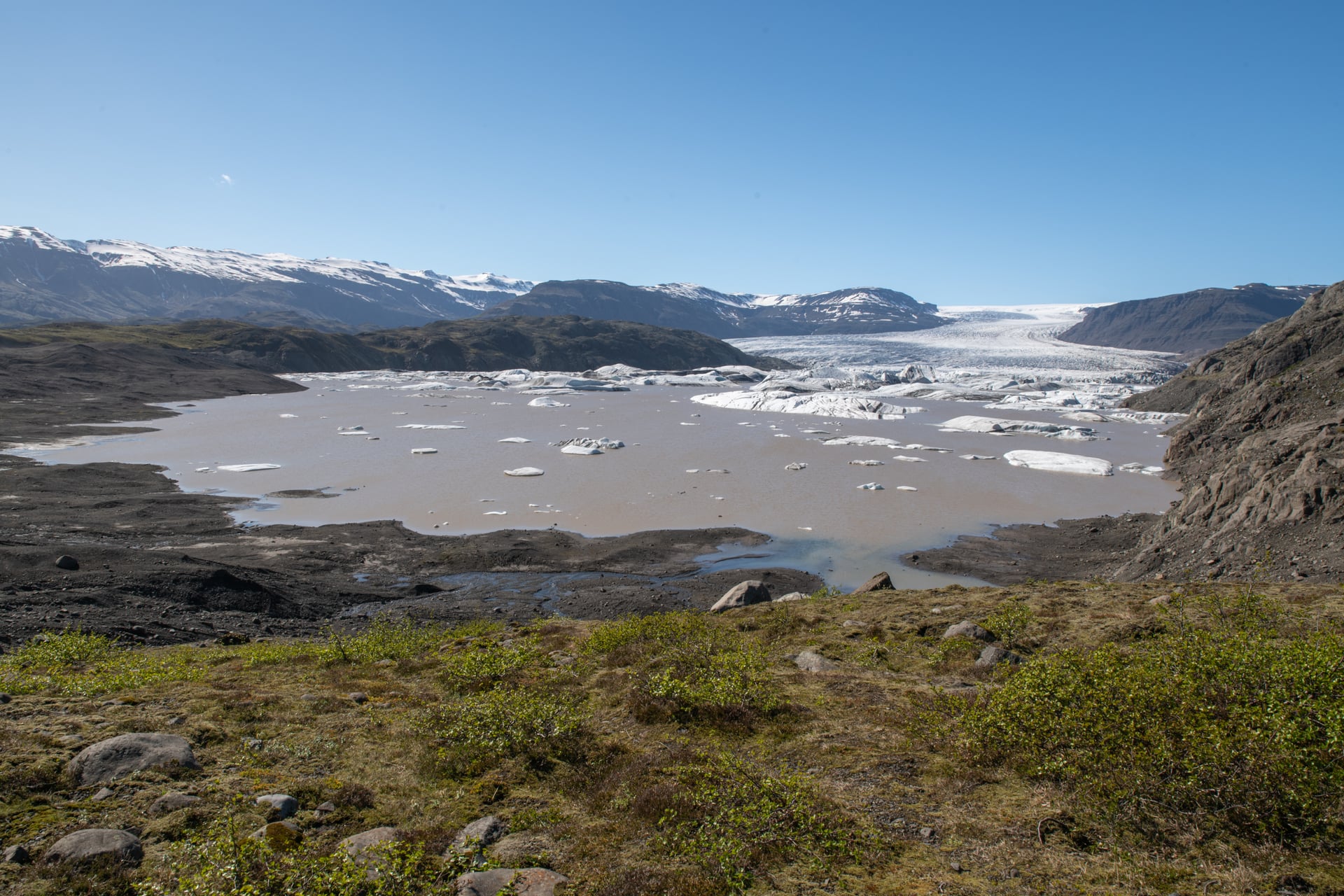
Visit South Iceland's Glacier World page introduces Hoffell as a farmland area characterized by a large outlet glacier, Hoffellsjökull, and gabbro rock. That description is a perfect way into the place, because the baths make the strongest sense when they are placed in their full landscape context. Hoffell is not simply a hot-water stop near Höfn. It is part of a glacial and mountain district where warmth feels particularly earned. The hot tubs are appealing not in isolation, but as a soft human answer to a stern environment.
Glacier World, the local operation at Hoffell, describes the baths as geothermal pools in a beautiful area enveloped by mountains and glaciers, offering a view toward Vatnajökull. That language may sound straightforward, but it points to something important. Many geothermal experiences in Iceland are socially lively, architecturally polished, or image-driven. Hoffell is quieter and more elemental. The setting is still the primary attraction. The tubs are the invitation to stay inside it a little longer rather than just admiring it from the roadside and moving on.
The regional context around Hoffell helps explain why this kind of stop matters so much. Guide to Iceland's Hoffell and Hoffellsjökull pages place the area near Höfn and describe the outlet glacier and the baths as part of a Southeast Iceland route often overshadowed by headline names such as Jökulsárlón, Fjallsárlón, and Vestrahorn. That is exactly why Hoffell works so well. It interrupts the rhythm of big-view, big-distance travel with something more restorative. After glacier lagoons, long drives, coastal wind, or a mountain walk, the baths change the body's relationship to the day.
This bodily shift is one of the best reasons to write a focused guide about Hoffell Hot Tubs. A hot bath in Iceland is never only about heat. It changes pace. It slows speech. It gives the weather a different meaning. Cold air becomes part of the experience rather than something to avoid. At Hoffell, that contrast feels especially clear because the surroundings remain visibly rural and glacial. You are not being wrapped in an urban cocoon. You are sitting in warm water while the larger landscape stays fully present.
Guide to Iceland notes that there are several hot tubs in the area and that they are naturally heated by geothermal energy, while Glacier World emphasizes the soothing quality of the baths and their position under mountain and glacier views. Taken together, these descriptions suggest what many visitors end up valuing most: choice of pace rather than excess of facilities. Hoffell Hot Tubs are attractive because they are modest in the right way. They are enough. The tubs, the air, the view, and the sense of distance from busier circuits combine into something deeply Icelandic and refreshingly unforced.
The glacier connection matters more than many short blurbs admit. Hoffellsjökull, an outlet glacier of Vatnajökull, gives the district a colder visual logic even when you are not standing right at the ice. The baths therefore exist inside a landscape of melt, moraine, and mountain weather. That contrast between heat under you and glacial geography around you gives Hoffell a different emotional register from coastal lagoons or urban thermal pools. It feels less performative and more like coexistence: geothermal warmth beside a world shaped by ice.
There is also something important about the rural character of the site. Glacier World is not just a bathing stop; it is connected to guesthouse accommodation and a working local place. That matters because one of the richest things in Icelandic travel is finding destinations where hospitality still feels attached to a specific landscape rather than detached from it. Hoffell has that quality. Even when visitors come only for the tubs, they are still arriving inside a local setting with its own pace and geography.
For travelers, Hoffell often works best not as a headline destination but as a beautifully judged counterpoint. It can follow glacier viewing, long Ring Road stretches, or a weather-heavy day around Höfn and the southeast coast. In that role it becomes unusually memorable. You do not necessarily come to Hoffell for drama. You come because the trip needs one place where the body catches up with the scenery. The hot tubs let that happen.
Photographically, Hoffell is another place where restraint helps. If there is no free-use image of the baths themselves available, that already tells you something about the spirit of the place: it has not yet been flattened into one endlessly recycled marketing icon. The strongest visual memory may be the wider setting anyway, with glacier and mountains holding the frame while the baths occupy a smaller, warmer human scale within it. Hoffell is not about overwhelming visual spectacle. It is about proportion.
Weather adds to this in the best Icelandic way. Wind on the face, cold air on wet skin, shifting cloud above the hills, and the persistent sense of open space all intensify the soak. In harder weather, the tubs can feel even more rewarding; in calmer weather, they become one of the gentlest quiet stops in the southeast. Either way, the outside conditions remain part of the experience. Hoffell does not try to erase Iceland's climate. It lets warmth and exposure meet each other directly.
From a route-planning perspective, Hoffell Hot Tubs are especially useful because Southeast Iceland can otherwise become a trip of looking outward rather than settling in. There are glacier tongues, lagoons, black beaches, mountain peninsulas, long distances, and a great deal of stopping to watch. Hoffell introduces a different mode: immersion. That matters more than it sounds like. Restorative stops often become the places people remember with the most affection because they let the rest of the journey land properly.
Hoffell Hot Tubs deserve a fuller guide because traveler questions around them is mixed between hot-pot travelers, people staying near Hofn, and visitors trying to decide whether the baths are worth a detour compared with bigger geothermal names. Thin listings usually answer with only a line or two about warm water and nice views. The better answer is fuller: Hoffell is worth visiting because it offers a rarer kind of Icelandic bathing experience, one still rooted in rural quiet, glacier presence, and relief from a long day on the road.
What stays with many visitors after Hoffell is often not one dramatic scene but a clearer memory of balance. Ice and heat, distance and comfort, road fatigue and release, exposure and shelter all meet in one small place. That is why Hoffell Hot Tubs linger. They do not try to become a monument. They simply let the landscape and the body stop arguing for a while.